
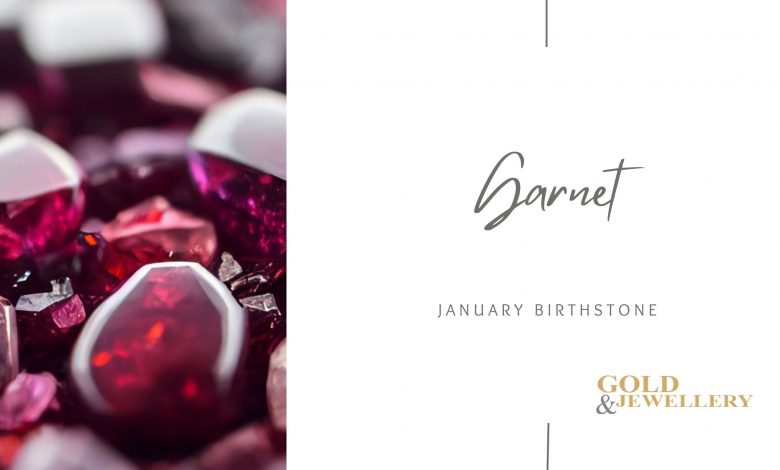
Each month comes with its own birthstone, and for those lucky enough to be born in January, their birthstone is the mesmerizing garnet. The Garnet family comes in varying colors but most commonly a deep red. Garnets are believed to bring good luck and protection to those who wear them. If you’re a January baby or simply captivated by the beauty of garnets, read on to learn more about the enduring bonds of friendship and the fiery passion that burns within this blood red gemstone.
A Brief History of Garnets
The red garnet dates back thousands of years, used amongst humans almost as far back as humanity itself. To the ancient Egyptians, garnets symbolized good health and were found adorning Egyptian pharaohs, carrying them to the afterlife.
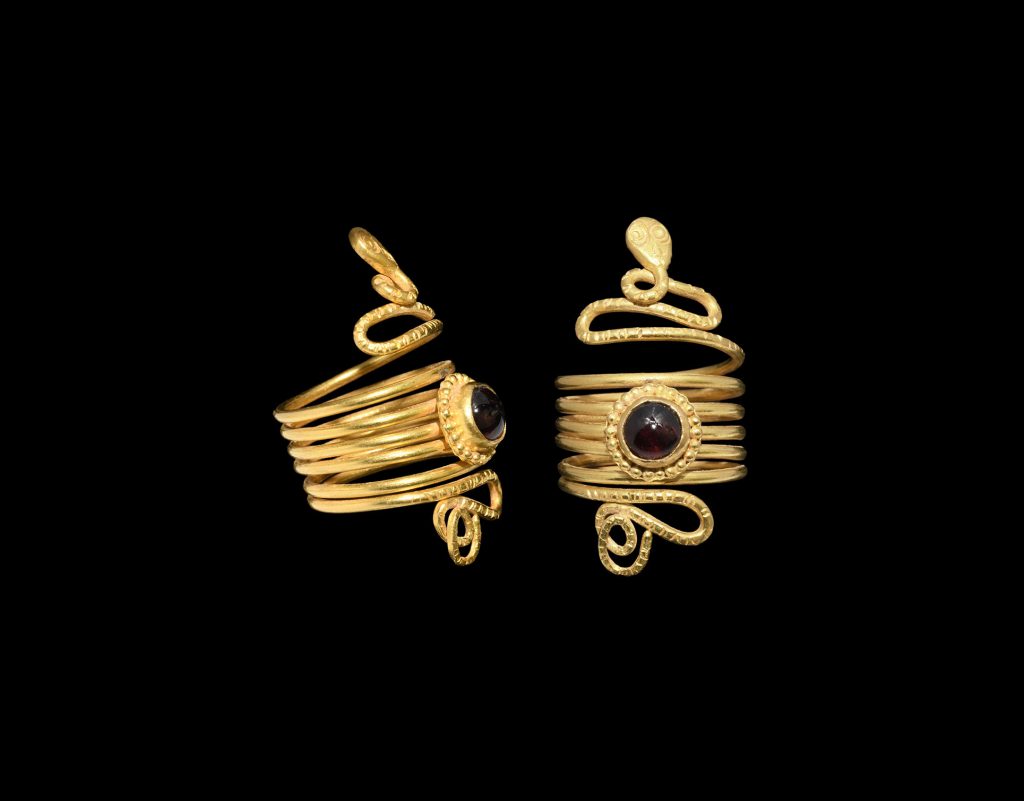
Similarly, in Asia, warriors believe that garnets endowed them with powerful enhancements to their martial skills. Different cultures have long been charmed by garnets, with the Romans especially liking the many bright colors of these gems. Carved into rings, these gems were used to stamp wax on documents.
As time unfolded, garnets also assumed sacred roles; they are mentioned in biblical tales as a beacon for Noah’s ark and were worn by Crusaders seeking divine safeguarding. The Victorian period saw a surge in the fascination with Bohemian garnets, their rich crimson tones featuring prominently in elaborate jewelry pieces.
Garnets Composition, Colors and types
Garnet, gets its name from the Latin word ‘granatus,’ which means pomegranate. The name not only reflects the gemstone’s pomegranate-red hue, but also its size and clustered crystal formation akin to the fruit’s seeds.
Garnets are a family of diverse colors of similair crystal structure and a distinct mineral composition leading to the diversity and uniqness of colors. Although red garnets are the most prevalent and sought after, the garnet family’s palette extends to pink, green, orange, yellow, and even purple hues.
Remarkably durable, a garnet’s longevity can last decades if cared for properly. On the Mohs Scale of Hardness, garnet scores between 6.5 and 7.5, varying slightly across its types. This means it’s relatively hard and resistant to scratches from softer substances, though care must still be taken to avoid damage from harder materials. Hard blows or rough handling can diminish its luster and physical integrity.
Their need for protection from wear makes garnets less common in everyday jewelry like rings. Instead, they are often featured in brooches, earrings, and pendants that aren’t subject to the constant exposure and potential damage that daily-worn pieces endure.
Notably, the rarest members of the garnet family are the color-change garnets. These rare stones bear an alchemic blend of spessartite and pyrope, giving them the remarkable ability to shift colors under varying lighting conditions. A testament to nature’s artistry, garnets are not only treasures of the earth but enduring symbols of human innovation in jewelry design.
Healing Properties
Garnet is known for its wide-ranging therapeutic benefits, including the ability to boost physical health by increasing sexual vitality, cleansing the body of toxins, and enhancing blood flow. It also supports mental and emotional well-being by building self-esteem, strengthening bonds with others, and encouraging a cheerful attitude.
Durability and Cleaning
Garnets are stable gemstones and resistant to both light and chemicals. However, it’s worth noting that they can be vulnerable to hydrofluoric acid. When it comes to cleaning garnets, using warm soapy water is the safest option. Additionally, an ultrasonic cleaner is generally safe to use, except when dealing with garnets that have fractures, as the vibrations could potentially worsen the condition of the stone. It’s important to avoid steam cleaning garnets. In terms of treatment and durability considerations, it is rare for garnets to undergo fracture filling, but in such cases, it is crucial to only clean these stones using warm soapy water to avoid damaging the treatment.