
More than two millennia ago, a constellation of routes emerged across the ancient world—pathways through which commodities, cultures, ideas, and political influence circulated. These “Golden Roads” formed the arterial highways of trade in precious metals and ancient jewelry, traversing mountains and deserts from India and Iran to Egypt and Rome, each step of the journey inscribed with the brilliance of history.
This article recounts the story of the networks that transformed gold and gemstones into instruments of diplomacy and civilization—routes that not only carried valuable metals but also disseminated artistic traditions and cultural heritage along their course.
From the Hindu Kush to the Land of the Pharaohs
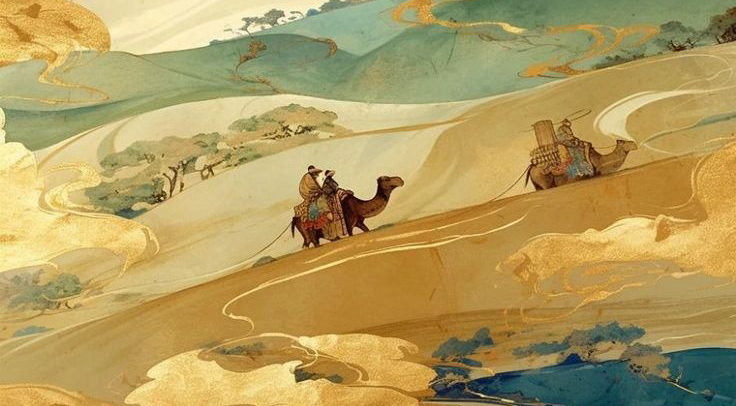
In antiquity, the gold mines of India and Afghanistan—particularly those in the Hindu Kush—served as the points of origin for the Golden Roads. Pottery and gold coins discovered in archaeological excavations indicate that merchant caravans crossed perilous mountain passes to deliver precious metals to Babylonia, Iran, and Egypt.
In Egypt, gold from the Nubian highlands was used to construct temples and royal sarcophagi. According to inscriptions and historical records, transporting gold was both an economic enterprise and a sacred ritual. Caravans moved under armed protection and religious invocations, for each coin and ingot placed both wealth and human lives at risk.
Ancient Iran: The Bridge Between East and West
Situated at the very heart of the Golden Roads, ancient Iran played a pivotal role. The Persian imperial highways stretching from the shores of the Persian Gulf to the plains of Khorasan facilitated the passage of Indian gold toward Asia Minor and Rome.
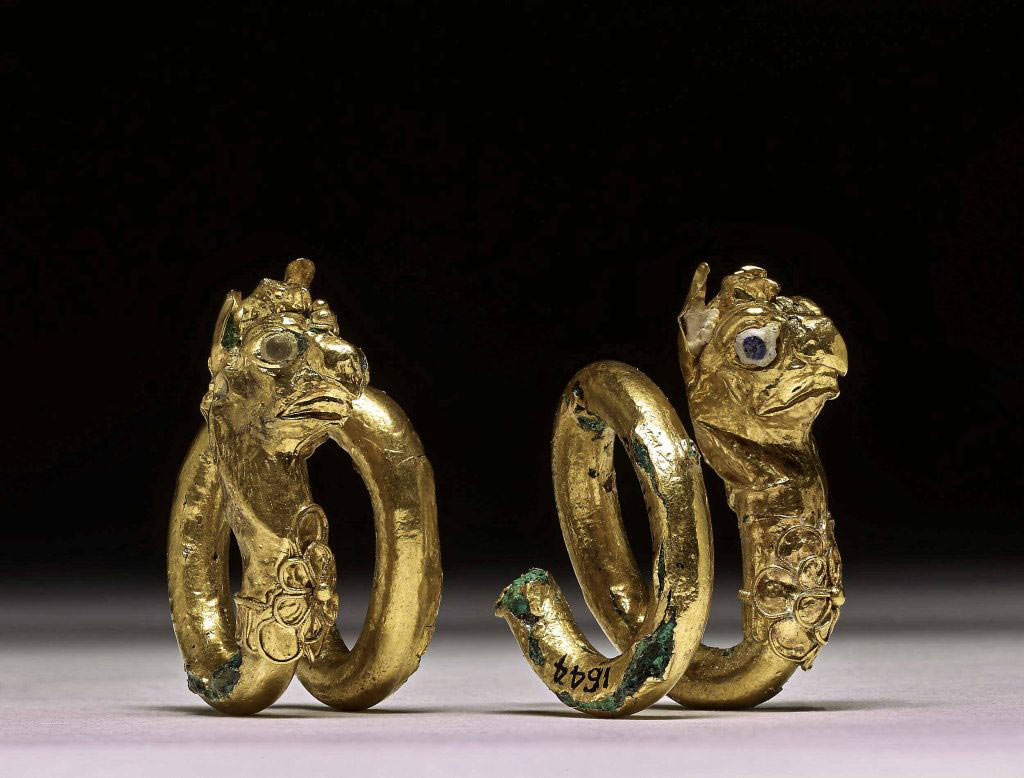
Iranian goldsmiths along these routes were not merely economic intermediaries; they were artisans who infused jewelry with distinctive local aesthetics and innovation. Gemstones arriving from the East were recut and remounted in Iran, combined with indigenous styles—an artistic synthesis of Indian emeralds, Nishapur turquoise, and ancient Persian gold that was later exported to Rome and Byzantium.
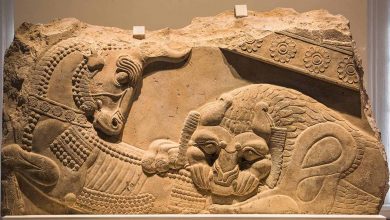
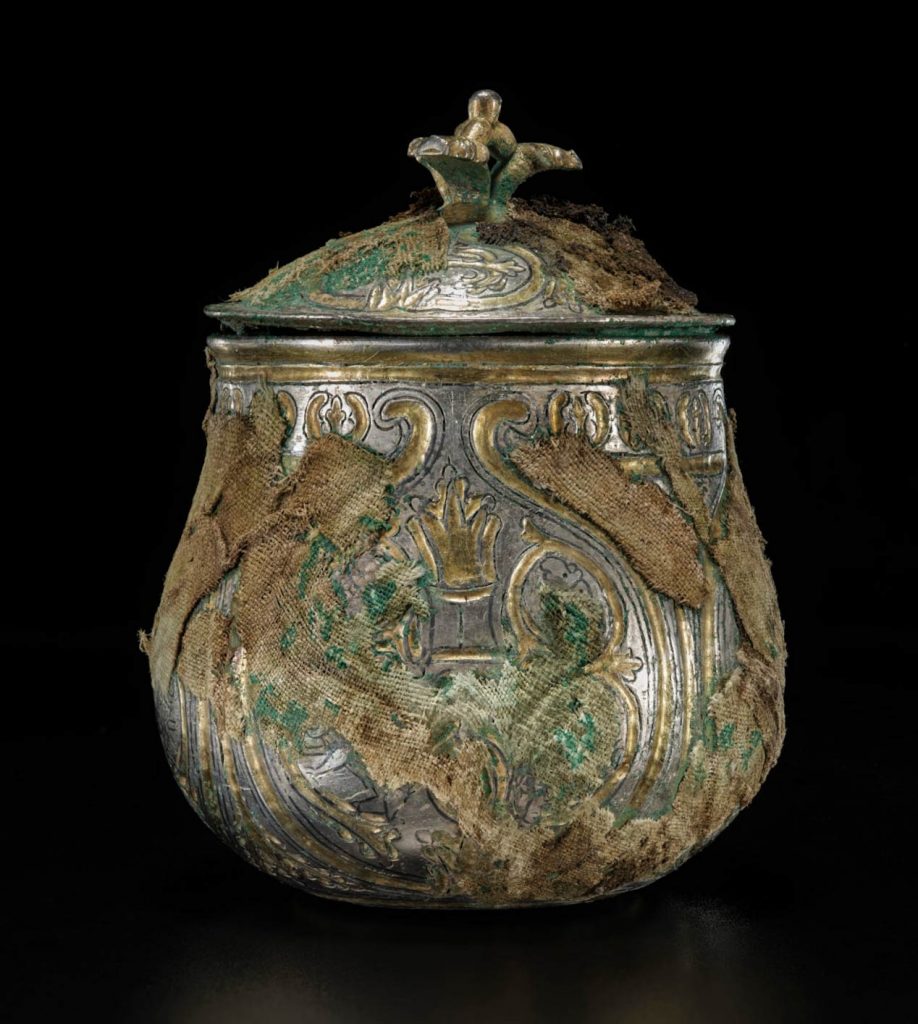
Archaeological evidence—including golden vessels from Persepolis and ornaments unearthed at the Tepe Sialk mounds—confirms Iran’s central role as both a crossroads and a cultural hub within these golden networks.
Maritime Routes and the Golden Silk Road
With the rise of the Hellenistic period and later the Roman Empire, maritime routes and what could be termed the “Golden Silk Road” gained growing importance. Gold and jewelry from India and China were transported through ports in Oman and the Persian Gulf to the Mediterranean world.
Along these routes, new techniques in gemstone cutting, enameling, and fine gold engraving emerged. Roman and Greek merchants carried Eastern gold westward in the form of coins and jewelry—but these objects always bore narratives:
• symbols of wealth
• instruments of diplomacy and negotiation
• and even embodiments of local religious traditions
Every piece of gold, from India to Rome, held within it the story of a route—of caravans, mountains, deserts, and seas.
Ancient Gold and Political Power
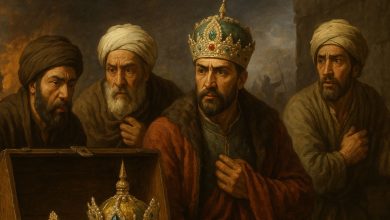
The Golden Roads were not merely economic corridors; they were conduits of power. Kings and emperors—from Egypt to Iran and Rome—used these routes to consolidate authority.
The gold acquired through these networks filled treasuries and signified legitimacy. For example, the gold coins of the Sasanian Empire, bearing royal portraits and divine iconography, served both as mediums of exchange and instruments of political propaganda. Each journey of gold—from India to Iran, and from Iran to Rome—projected a vivid image of economic and cultural dominance.
Legacy and Influence on Contemporary Jewelry
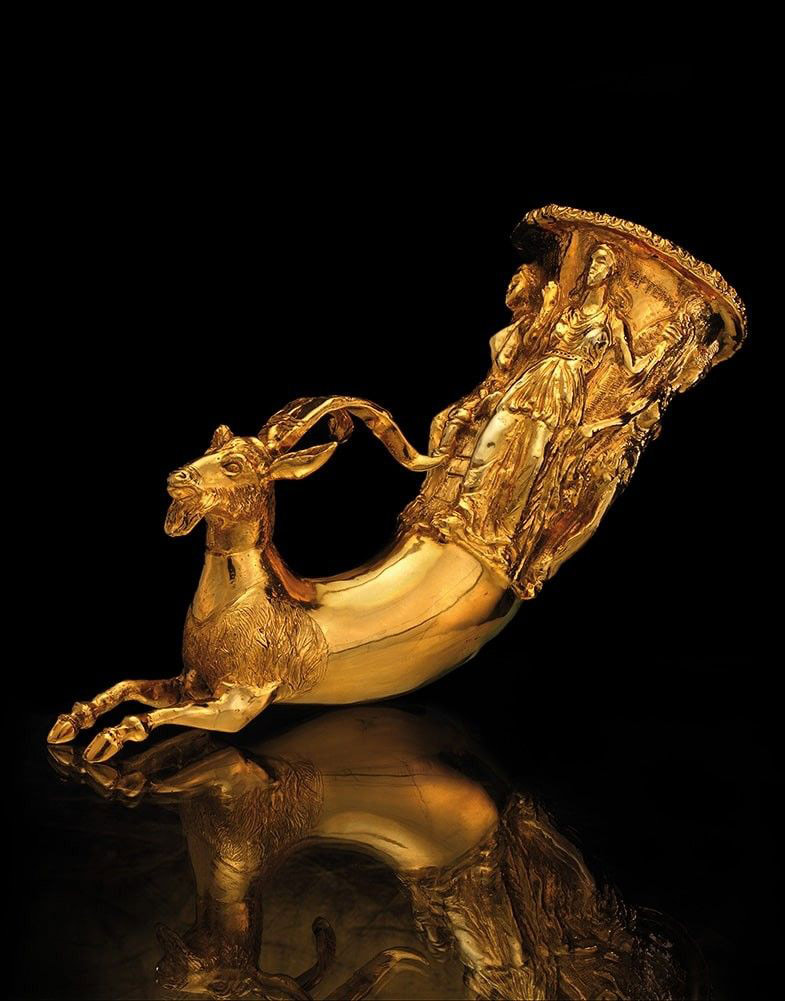
The impact of the Golden Roads remains visible in modern jewelry. Techniques of gemstone cutting, the combination of multiple stones, and geometric or arabesque motifs are direct inheritances of these ancient pathways.
Even today, in global markets, jewelry styles can be found whose aesthetic roots trace back to the very same gold-trading networks.
In essence, the ancient Golden Roads transported not only goods but also culture, art, and identity—an enduring narrative reflected in the lustre of every piece of gold and every precious stone.
These routes were ancient trade highways, yet far more than that—they were conduits of artistic and cultural transmission.
Every coin, ingot, and jewel carried with it a story of travel, peril, craftsmanship, and power. Through the lens of these ancient golden routes, we understand that gold was never merely a metal; it was the language of history.